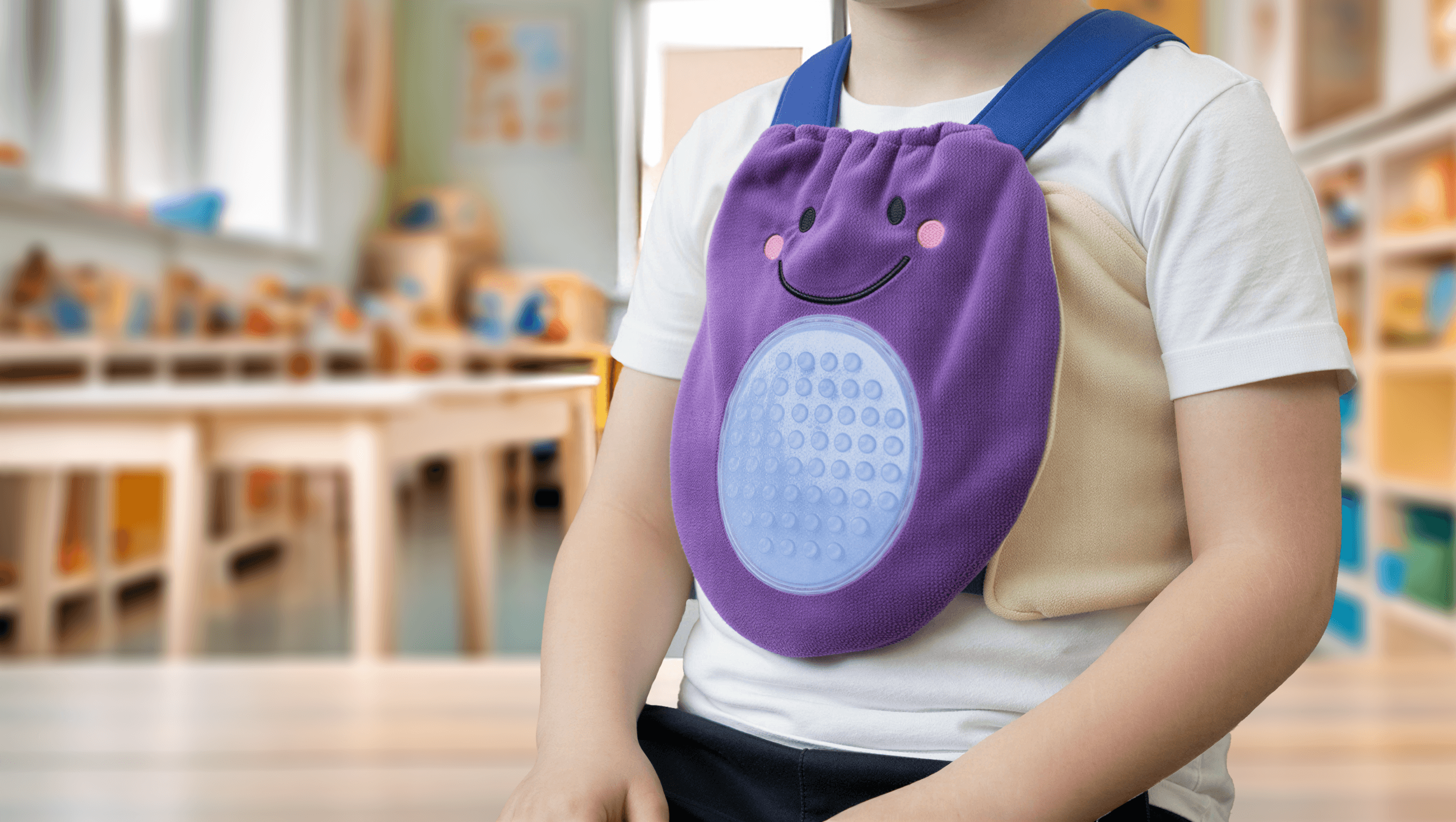
Snuggo
A multifunctional Soft toy that converts into a Compression Vest
Snuggo is a comforting friend, for anyone who needs a hug
About
A portable way to bring calm and comfort to children with Autism Spectrum Disorder. Developed over a 10-week collaboration at Studio 930, this project was created in partnership with engineers and the Rochester-based organization AL Sigl. The goal was clear—design a cost-effective, modular tool that could be easily used by many children in different environments. Drawing from research and the client’s experience, we integrated gentle, soothing vibrations proven to help reduce anxiety and promote relaxation. The result is a thoughtful, adaptable solution that blends portability, affordability, and therapeutic benefit into one cohesive design.
Problem
Children diagnosed with Autism tend to get overstimulated by things in their environment, leading to
Emotional Meltdowns.

Client Needs
Multiphase Vibration Device
Portable
Low-Cost
Modular
Gentle vibrations have a soothing effect on children experiencing a meltdown. Client wanted to implement vibrations in a portable device parents can carry when they take their child to public spaces.
Parent Interviews
Compression and weighted vests are really helpful
Use Multiple sensory inputs simultaneously.

Refined Problem Statement
Use Compression and Gentle vibrations to create a Low-cost, Portable and Modular product.
Target age group is kids between the age of 3-6.

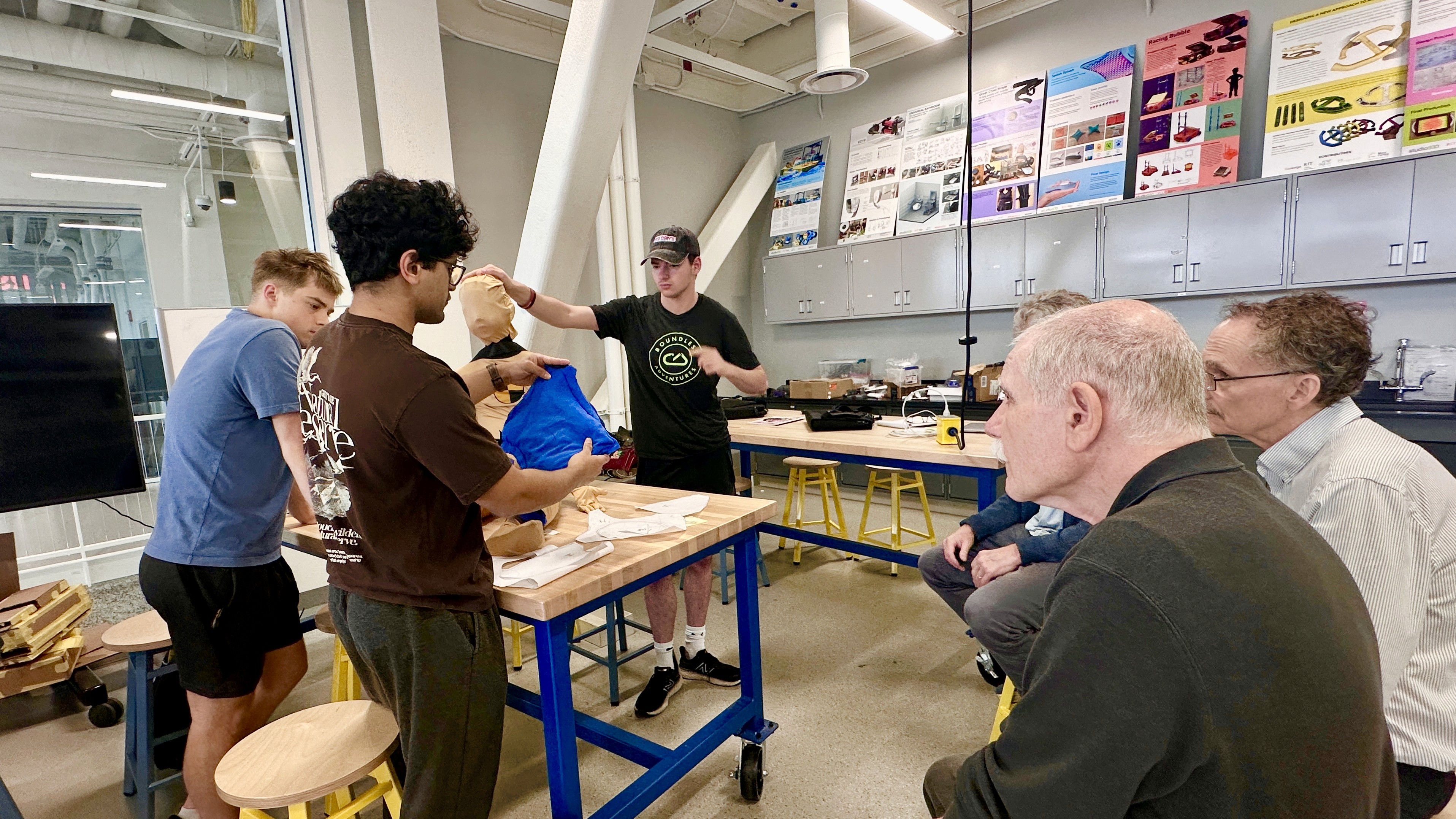
After converging initial brainstorming ideas, we presented the new ideas to the client.
The Client liked the
Huggable Soft Toy idea.

The design process was iterative. Initial iterations has a hole to put the hands through. But this was removed as it would be very hard to to implement when the child is having a meltdown. Subsiquent iterations had a flap inspired by a life vest. This goes over the shoulders and doesn't require any cooperation from the child. We then kept working on this design and also added a personality for the toy, so that the child would want to interact with the toy. At the same time my team members were workin on the electrical vibrating component that goes into the toy. Once the design was determined, we went and tested it out on children in the same age group. We saw what works best and started working on the final prototype.

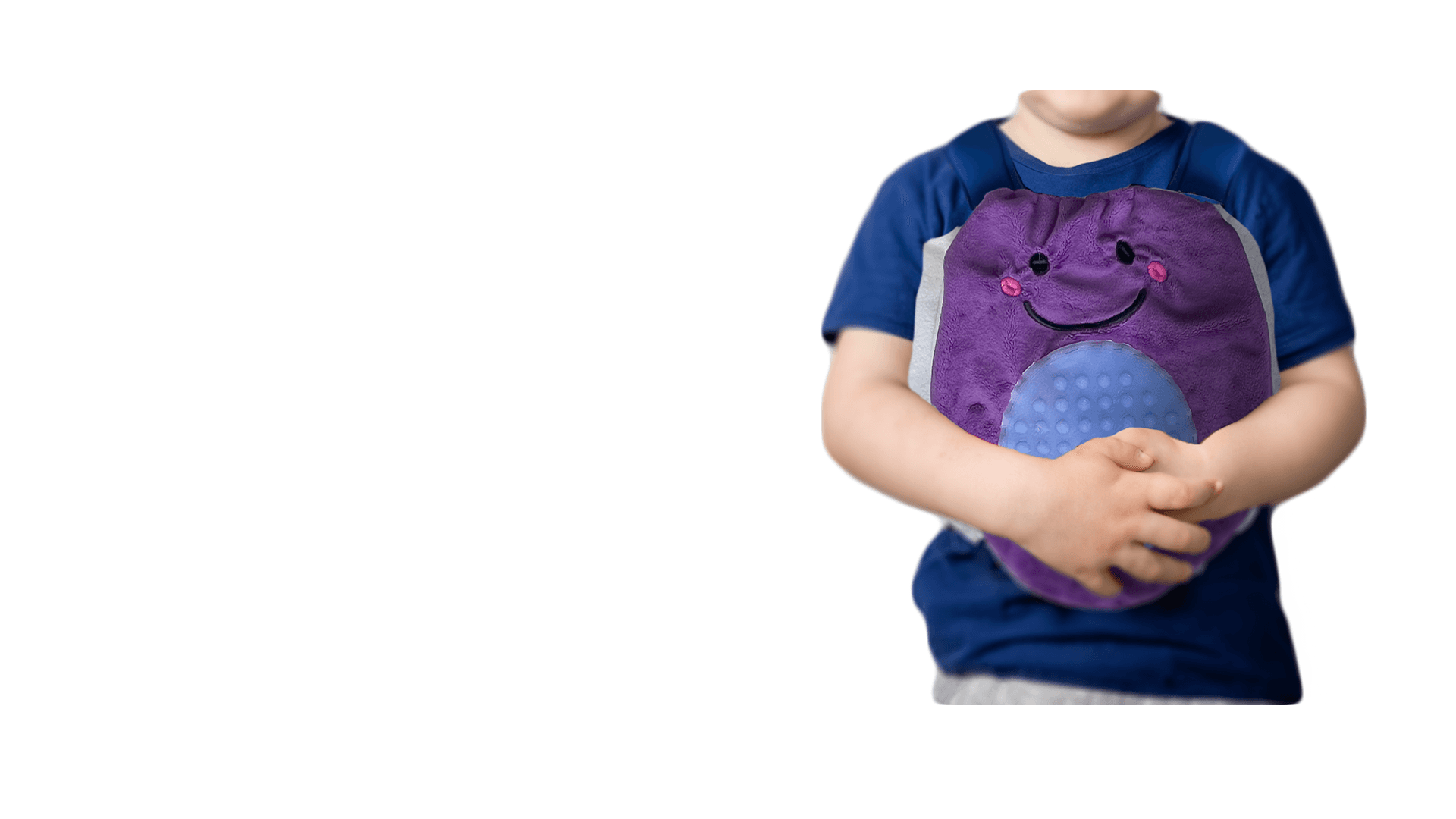
Snuggo
Tightens up around the torso to provide gentle vibrations, while also providing tactile input through a
Silicon Texture.
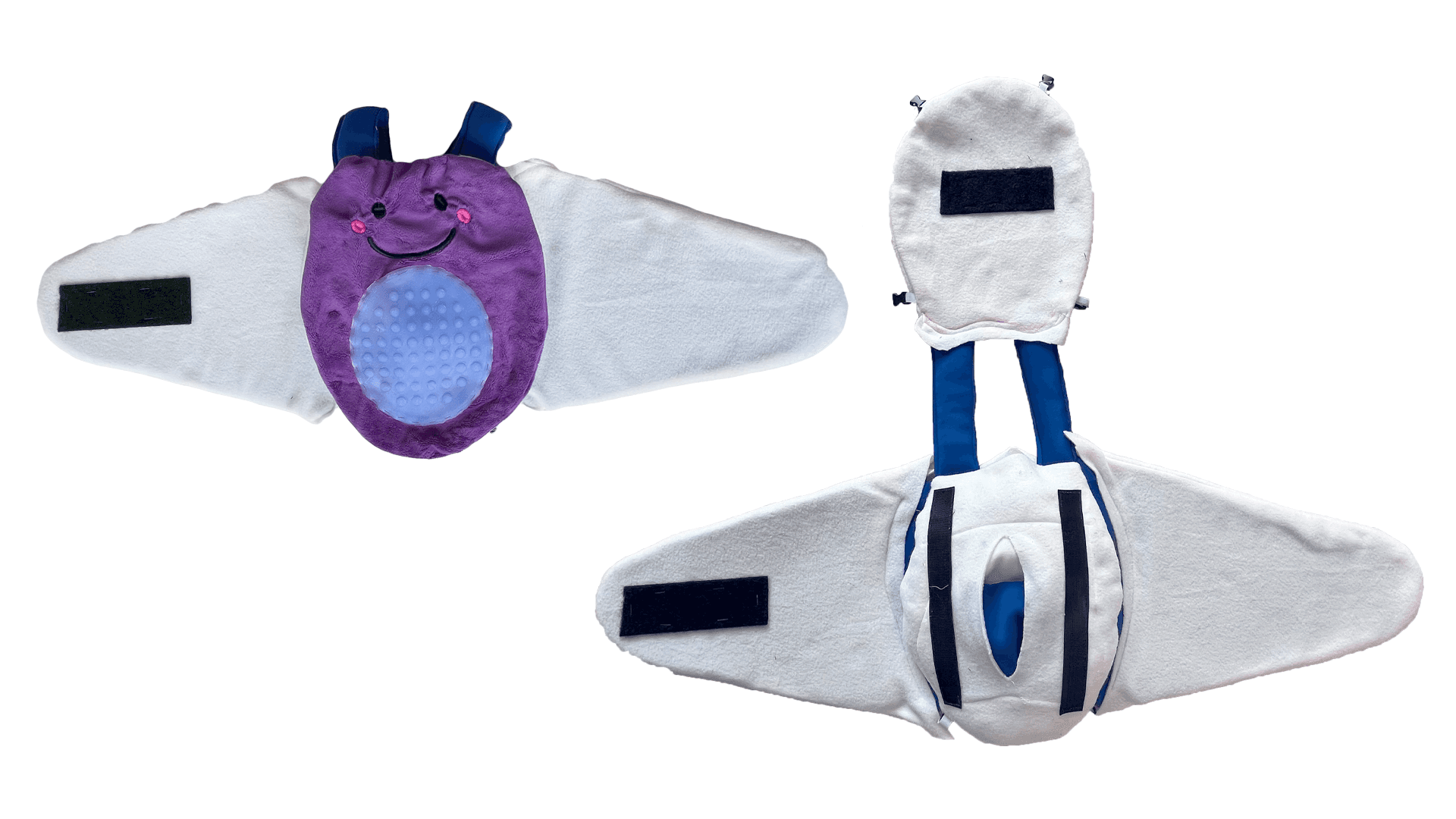
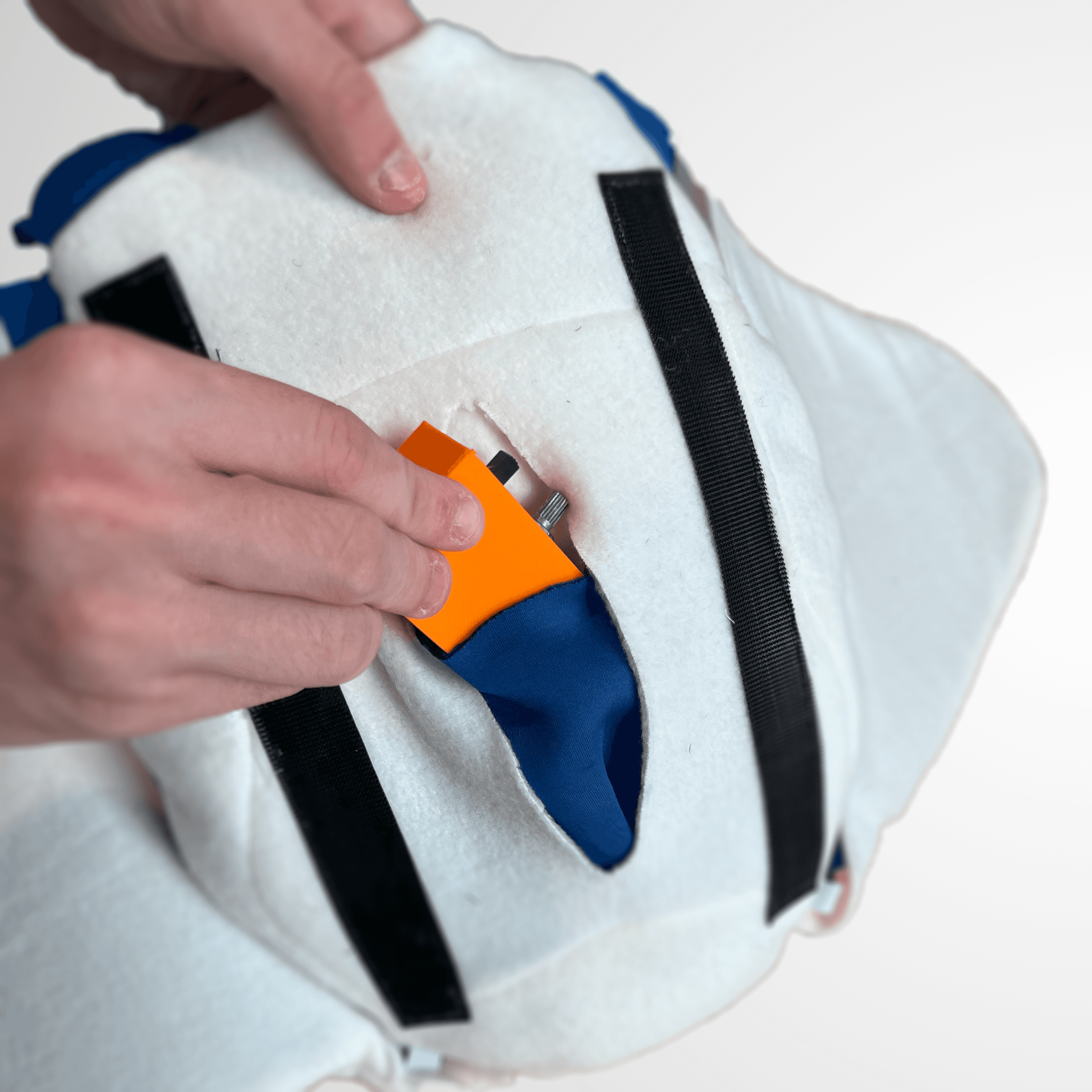
Hidden pocket
to keep electrical components.
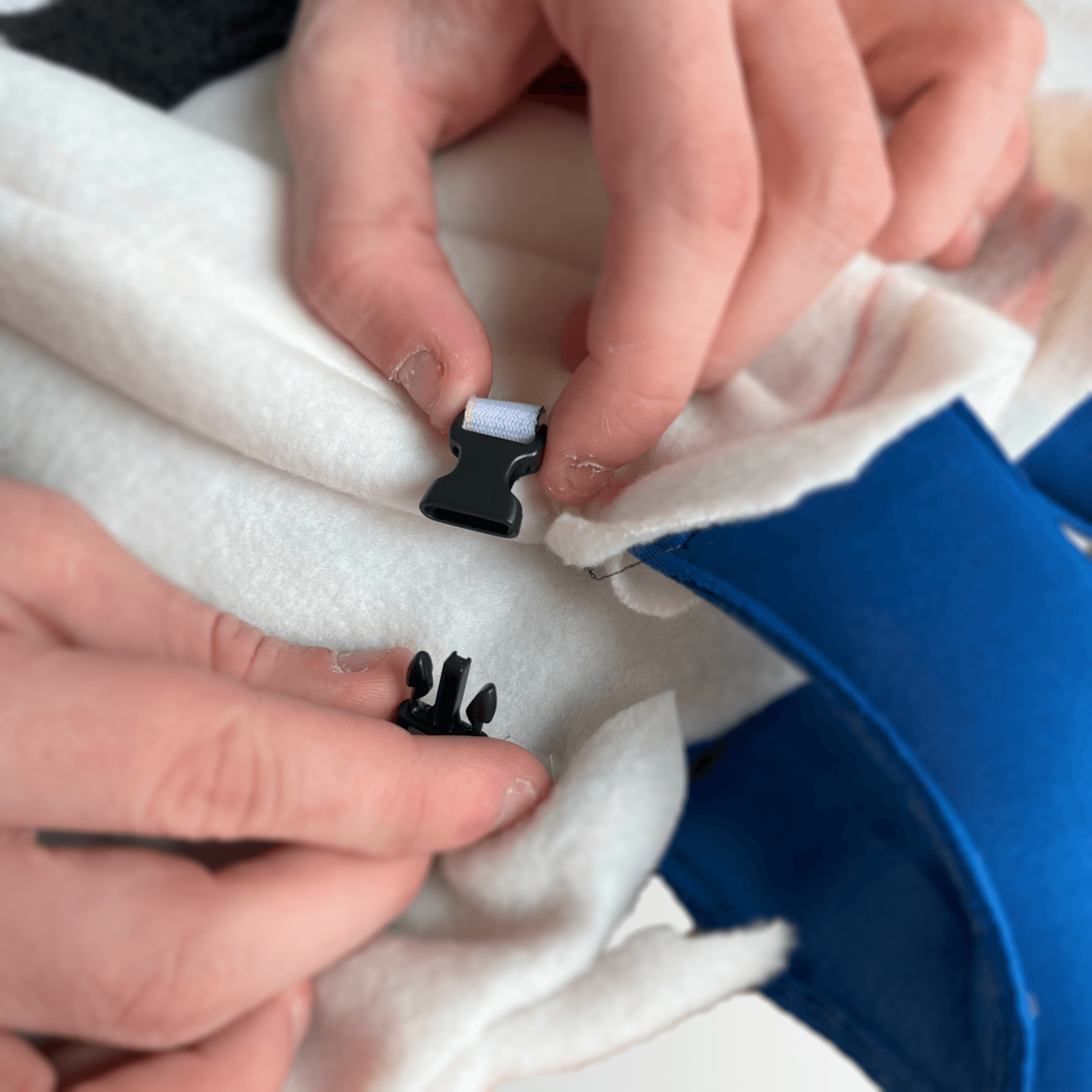
Buckles to
Secure Flap.
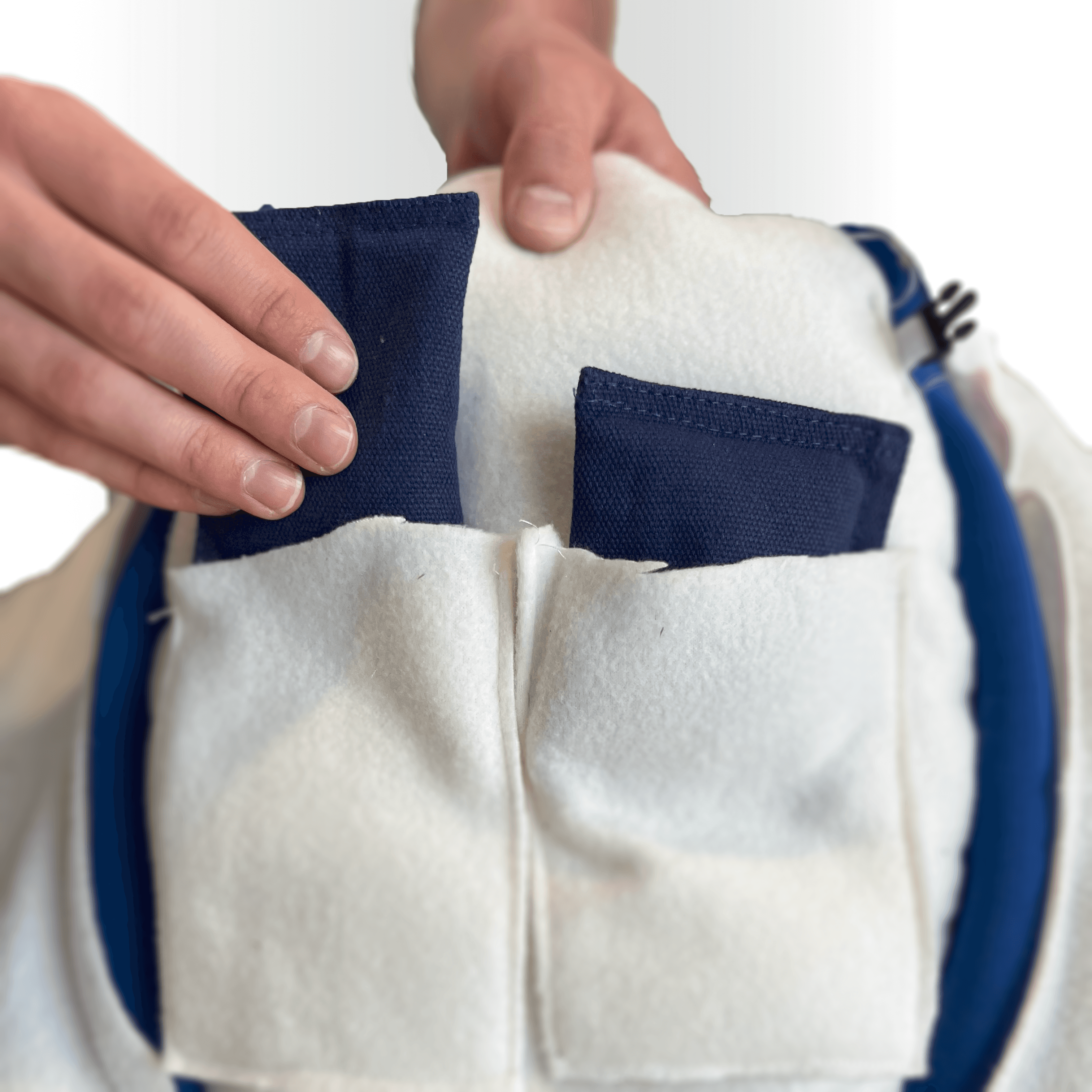
Adjustable Weights
on the rear side.
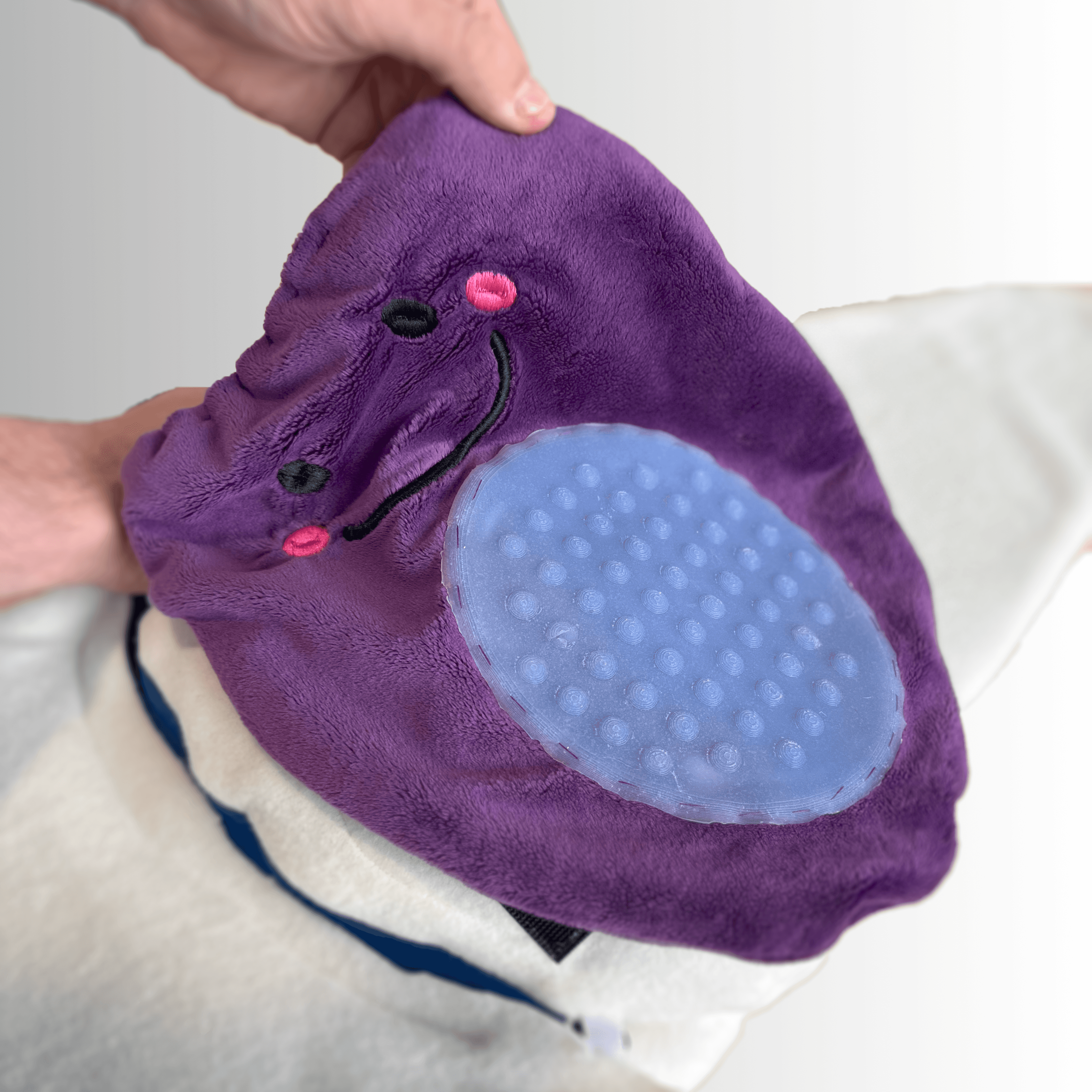
Removable Face
Which reveals hidden pocket.
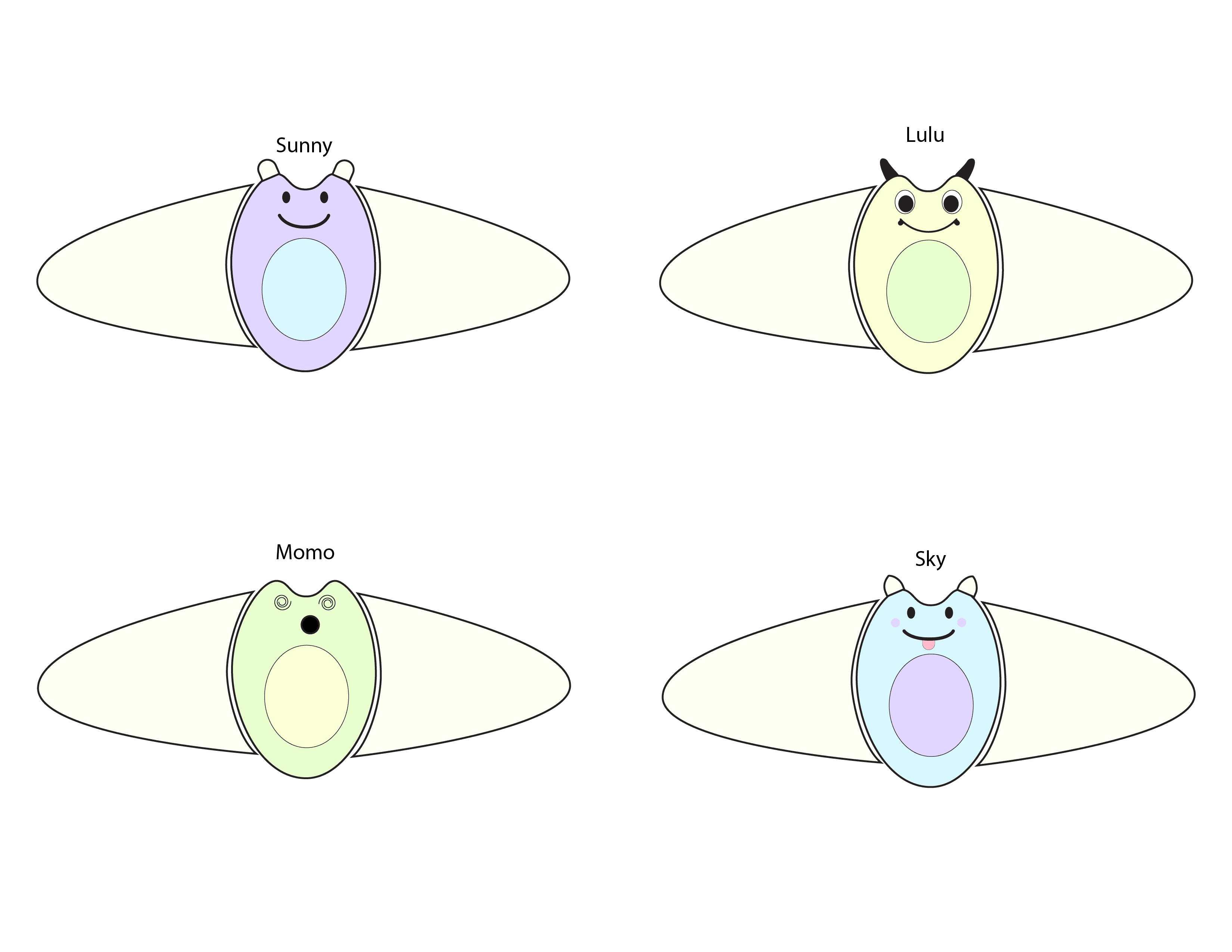
Four personalities, One toy.
To make sure that every child can enjoy spending time with their Snuggo.
Also View
Varun Varma
Portfolio